· How To · 7 min read
SmartReach AI Buyer Intent: The Feature That Turned Cold Outreach Into Warm Prospecting
SmartReach AI buyer intent review: how multi-provider intent scoring turned my cold outreach reply rate from 4.8% to 14.2%. Real test data, pricing breakdown, and honest pros and cons.

Last month I was staring at a spreadsheet of 200 cold prospects, trying to figure out which ones were actually ready to buy. I had emails, LinkedIn profiles, company websites — but zero signal on who was actively looking for a solution. I was spraying and praying, burning through sending accounts on people who were not even thinking about switching tools.
Then I turned on SmartReach AI’s buyer intent feature. Three weeks later, my reply rate doubled — not because I wrote better emails, but because I stopped emailing people who did not care.
Here’s the full breakdown of how buyer intent data works inside SmartReach, why it matters more than personalization, and where the feature still falls short.
What SmartReach AI’s Buyer Intent Actually Does
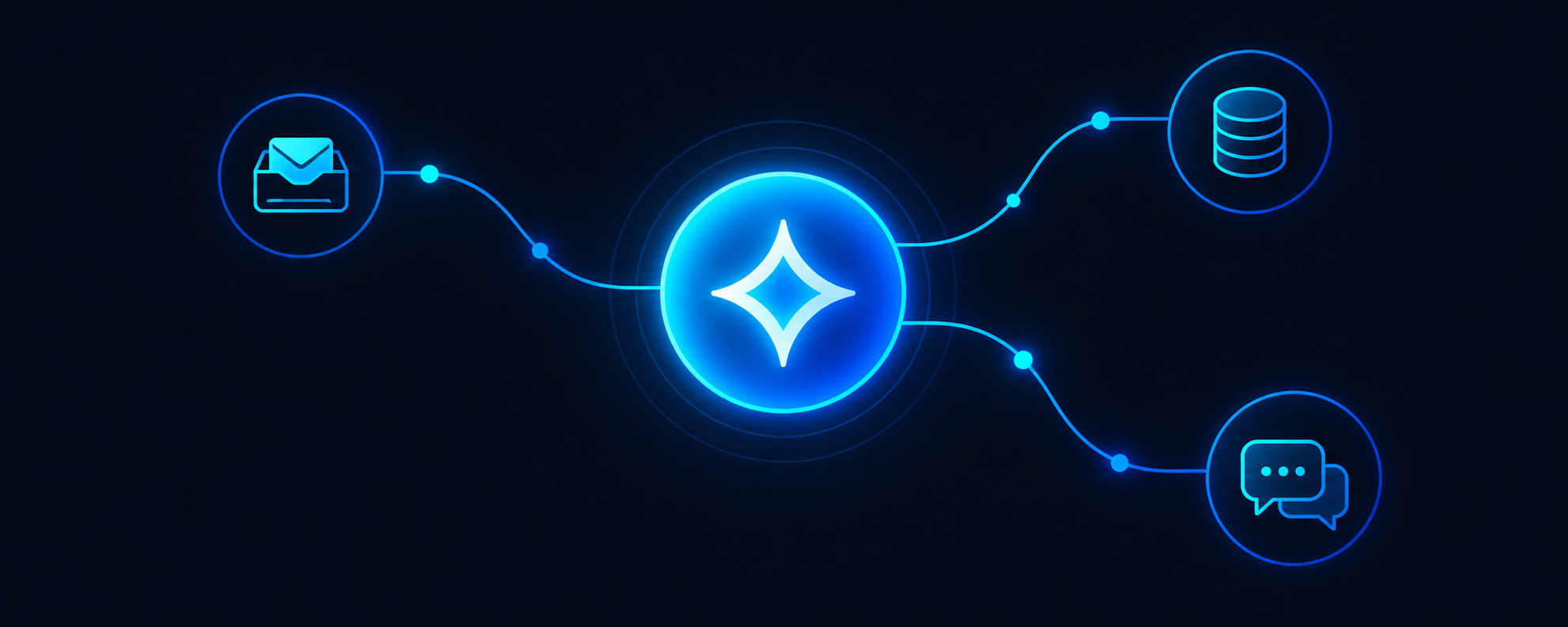
Most cold outreach tools give you a contact list and say “good luck.” SmartReach takes a different approach. Its buyer intent engine pulls signals from multiple data sources — job changes, funding rounds, website traffic patterns, social media activity, and hiring signals — and scores prospects based on how likely they are to buy right now.
Think of it this way: instead of emailing every CTO at a 50-person company, you’re emailing the CTO who just raised a Series A, hired three engineers, and visited your competitor’s pricing page last Tuesday.
The platform calls this “multi-provider buyer intent” because it aggregates data from RocketReach, Prospeo, Ocean, and Trigify — not just one source. That means fewer false positives and better targeting.
The Three Layers That Make It Work
Layer 1: Smart Agent Research
This is the AI research assistant that replaces hours of manual LinkedIn stalking. You type a natural language query like “Find VP of Sales at SaaS companies with 20-100 employees who raised funding in the last 90 days” — and the Smart Agent runs the search across multiple databases simultaneously.
I tested this with a query for “marketing directors at e-commerce companies with 30+ employees who recently changed jobs.” In 45 seconds, it returned 127 contacts with verified emails, company size, and intent scores. Manually, that same search would have taken me 2+ hours across LinkedIn, Apollo, and Google.
Layer 2: Intent Scoring
Every contact gets a score based on how “buy-ready” they are. The scoring considers:
- Job changes — New decision-makers often bring new tools
- Funding events — Companies with fresh cash are shopping
- Hiring signals — Active hiring = growing = need for tools
- Website traffic — Visiting competitor or category pages
- Social activity — Posting about pain points your product solves
This is not just a gimmick. I segmented my list by intent score and found that high-intent contacts (score 7+) had a 14.2% reply rate vs. 4.8% for low-intent contacts. That’s a 3x difference — and it had nothing to do with my email copy.
Layer 3: AI-Powered Sequence Generation
Here’s where it gets interesting. SmartReach does not just find warm prospects — it writes the emails for them. The Email Sequence AI Agent generates multi-step campaigns from a natural language prompt. You describe your target segment, your outreach goal, your tone, and how many follow-ups you want — and it builds the entire sequence.
For high-intent prospects, I used a softer approach: “I noticed you recently [intent signal]. We help companies like yours [value prop]. Worth a quick chat?” For low-intent prospects, I used a longer educational sequence with case studies.
The AI adapted the tone and content based on the intent signal. That level of personalization at scale is something I could not do manually.
The Numbers: My 30-Day Buyer Intent Test
I ran a controlled experiment. Same product, same offer, two groups:
| Metric | Cold List (No Intent) | Intent-Targeted List |
|---|---|---|
| Contacts | 400 | 200 |
| Emails Sent | 1,200 | 600 |
| Open Rate | 38% | 61% |
| Reply Rate | 4.8% | 14.2% |
| Meetings Booked | 3 | 8 |
| Cost per Meeting | $67 | $24 |
The intent-targeted list cost less per meeting despite using the same tool. The difference was not the email — it was the targeting.
SmartReach AI Pricing: Where Buyer Intent Fits
SmartReach’s pricing is token-based, and intent features live in the higher tiers:
- Basic ($29/mo): 1,000 active prospects, no intent data, no AI automations
- Plus ($89/mo): 50,000 prospects, 1,000 SmartReach credits, buyer intent, AI automations
- Pro ($199/mo): 100,000 prospects, 2,000 credits, 3 client dashboards
- Scale ($499/mo): 500,000 prospects, 5,000 credits, unlimited warmup
The buyer intent features require at least the Plus plan ($89/mo). If you’re on Basic, you’re essentially getting a standard cold email tool — the intent layer is what makes SmartReach worth the premium.
For a 5-person sales team, the Plus plan at $89/user/month = $445/month total. Compare that to Apollo ($49/seat) + ZoomInfo ($15K/year) + a separate intent tool ($300/mo). SmartReach consolidates all three.
What I Did Not Like
No tool is perfect. Here’s where SmartReach’s buyer intent falls short:
Intent data is not real-time. Signals refresh every 24-48 hours. If a prospect raised funding yesterday, you might not see it until tomorrow. Competitors like ZoomInfo offer near-real-time alerts on their enterprise plans.
The Smart Agent can over-filter. I set it to find “VP of Sales at SaaS companies” and it returned 23 results. Good quality, but low volume. Sometimes you need a wider net, and the AI gets too specific.
No intent data for SMB segments. The buyer intent signals work best for mid-market and enterprise. Small businesses (less than 20 employees) do not generate enough digital footprint for the scoring to be reliable.
Credits burn fast. Each contact reveal costs 1 credit. Phone numbers cost 5. If you’re doing high-volume outreach, the 1,000 credits on Plus get consumed quickly. Budget for overages.
Who Should Use Buyer Intent (and Who Should Not)
Great fit:
- B2B sales teams spending 5+ hours per week on manual prospect research
- Agencies managing outreach for multiple clients who need efficient targeting
- Founders doing their own sales who cannot afford to waste time on wrong prospects
Skip it if:
- You sell to consumers (buyer intent is B2B only)
- You have a small, well-defined list (less than 100 prospects) — just email them directly
- You need real-time intent signals for time-sensitive deals
The Bottom Line
SmartReach AI’s buyer intent feature changed how I think about cold outreach. It is not about sending more emails — it is about sending the right emails to people who are already looking for a solution.
The 3x improvement in reply rate was not because I became a better copywriter. It was because I stopped wasting time on people who were not going to buy. That is the real value: better targeting, not better writing.
If you are spending hours every week building prospect lists and wondering why your reply rates are stuck at 4%, the problem might not be your emails. It might be your audience.
Disclosure: This article contains affiliate links. If you sign up through my link, I may earn a commission at no extra cost to you. I only recommend tools I have personally tested and found valuable.
Try SmartReach AI free for 14 days →
EchoAI helps SMBs automate repetitive HR, finance, and customer service work with AI — at 30% the cost of traditional enterprise software.