
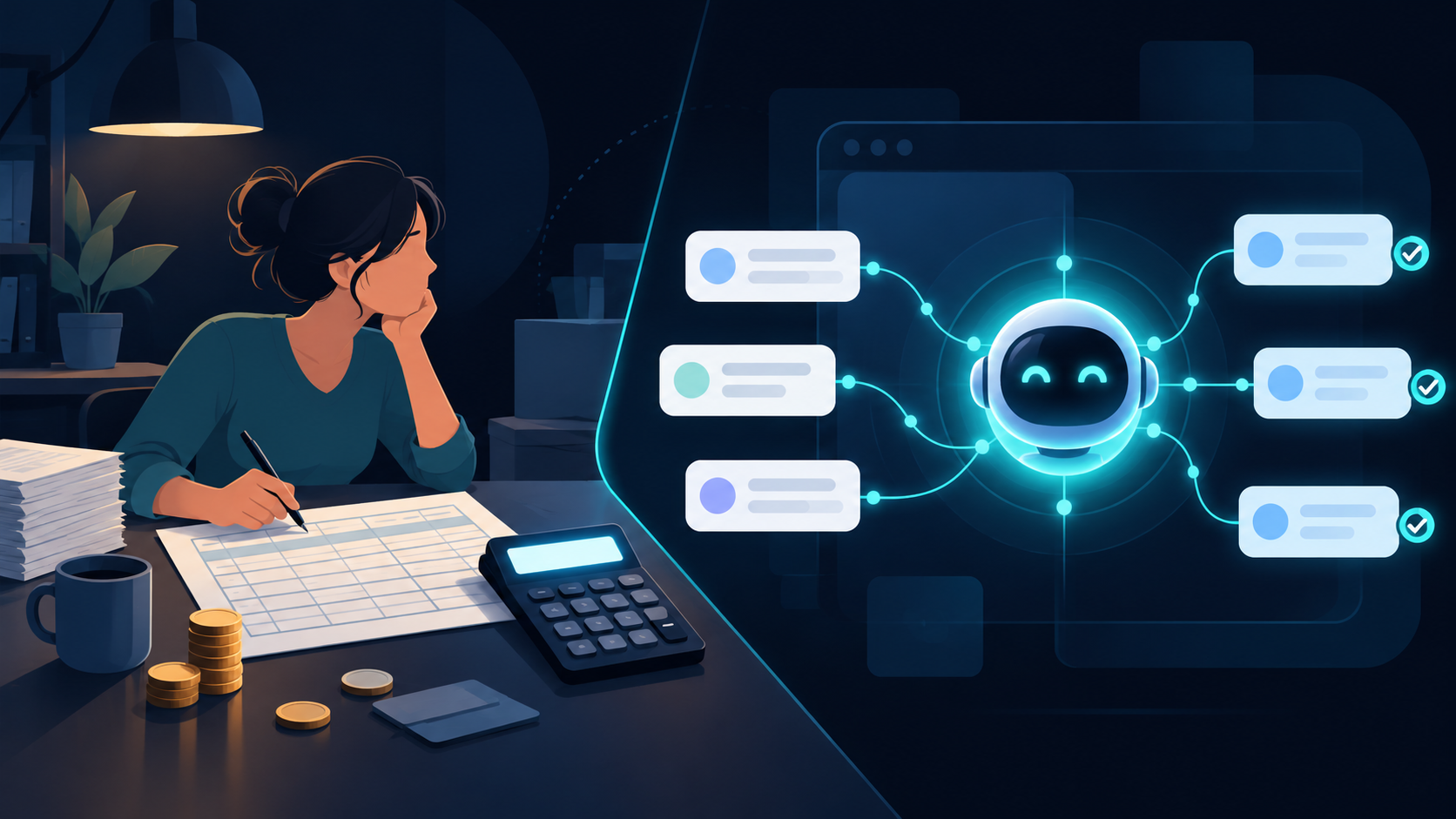
The ROI Math for an AI Digital Employee, With Actual Numbers
Work out what an AI digital employee really returns: wage vs. $299/month pricing, the hidden costs of a hire, and where ROI math breaks.
Built for SMBs under 50 employees
EchoAI handles your HR, finance, and customer service busywork — at 70% less than Workday or SAP. Deploy in weeks, not months. No enterprise budget required.
Four departments. One platform.
SMBs don’t need enterprise complexity. EchoAI deploys role-scoped digital employees across your four highest-leverage functions.
Price comparison intelligence — built in
SaaS Support Desk — 90-day results
A mid-market B2B platform. Verified via Zendesk export and weekly QA rubric.
Rollout
Week 1–2
Map one high-volume workflow per department. Define inputs, outputs, and human checkpoints.
Week 3–4
Deploy your first Digital Employee. Measure baseline KPIs against the manual process.
Day 30 / 60 / 90
Optimization cycles tighten the workflow, expand scope, and push metrics toward your business target.
Ready to see EchoAI in action?
What KPIs it moves, and what a real deployment looks like for your industry.
Notes on AI automation for small businesses.
Work out what an AI digital employee really returns: wage vs. $299/month pricing, the hidden costs of a hire, and where ROI math breaks.

AI automation vs enterprise software: what a company under 50 actually pays after the contract — licenses, admins, modules, and when a suite still wins.
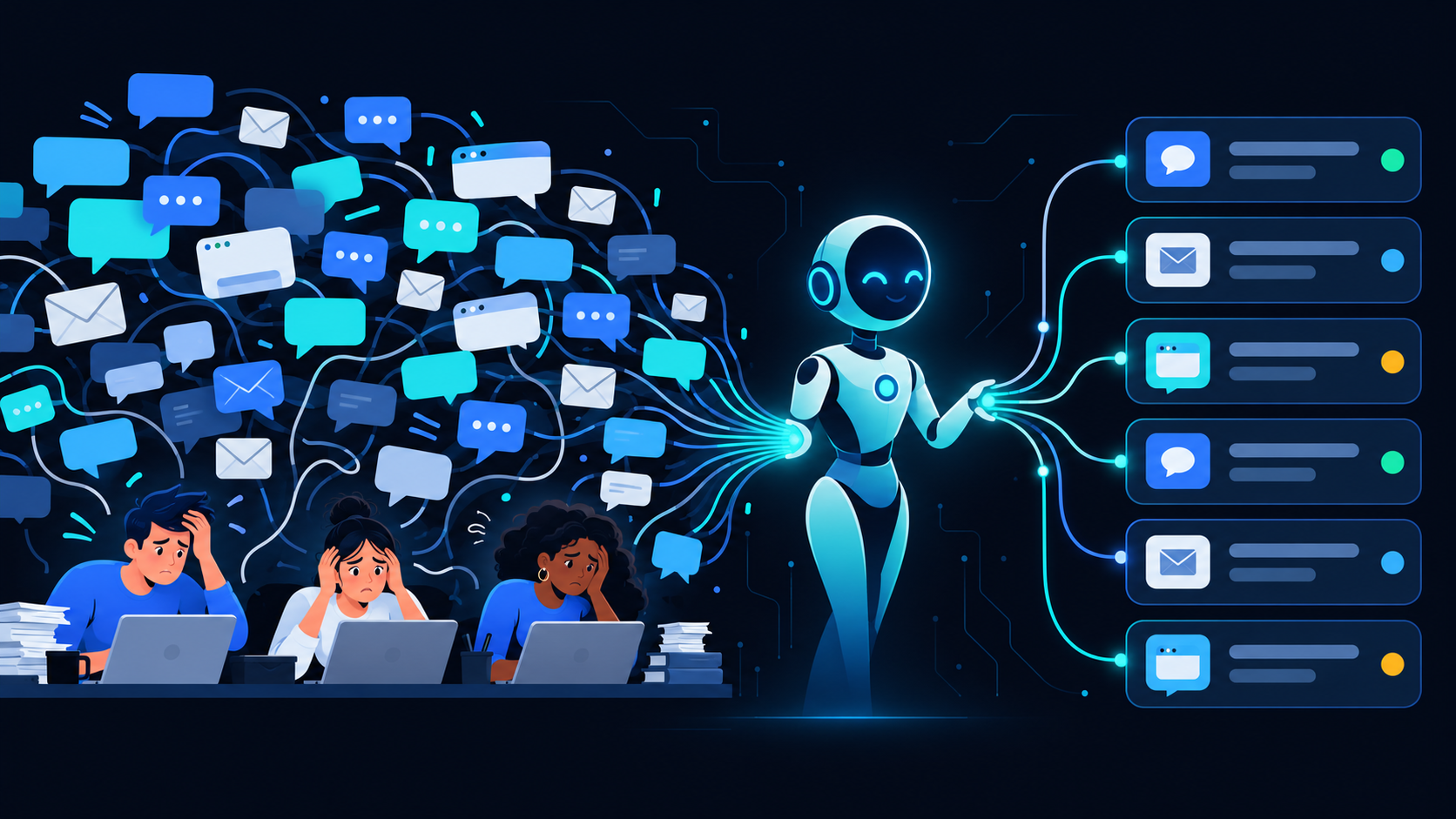
How SMBs under 50 staff automate WhatsApp, email and live chat support with AI digital employees — a 4-week rollout and cost comparison vs enterprise help desks.

SmartReach AI tested for HVAC, plumbing and electrical companies: 1,240 commercial contacts, 11.4% replies, 18 quote requests in 4 weeks. Pricing vs Instantly and Salesloft, honest setup downsides.
Book a 30-minute demo — see exactly how much you’d save vs. your current tools. No pitch, just numbers.