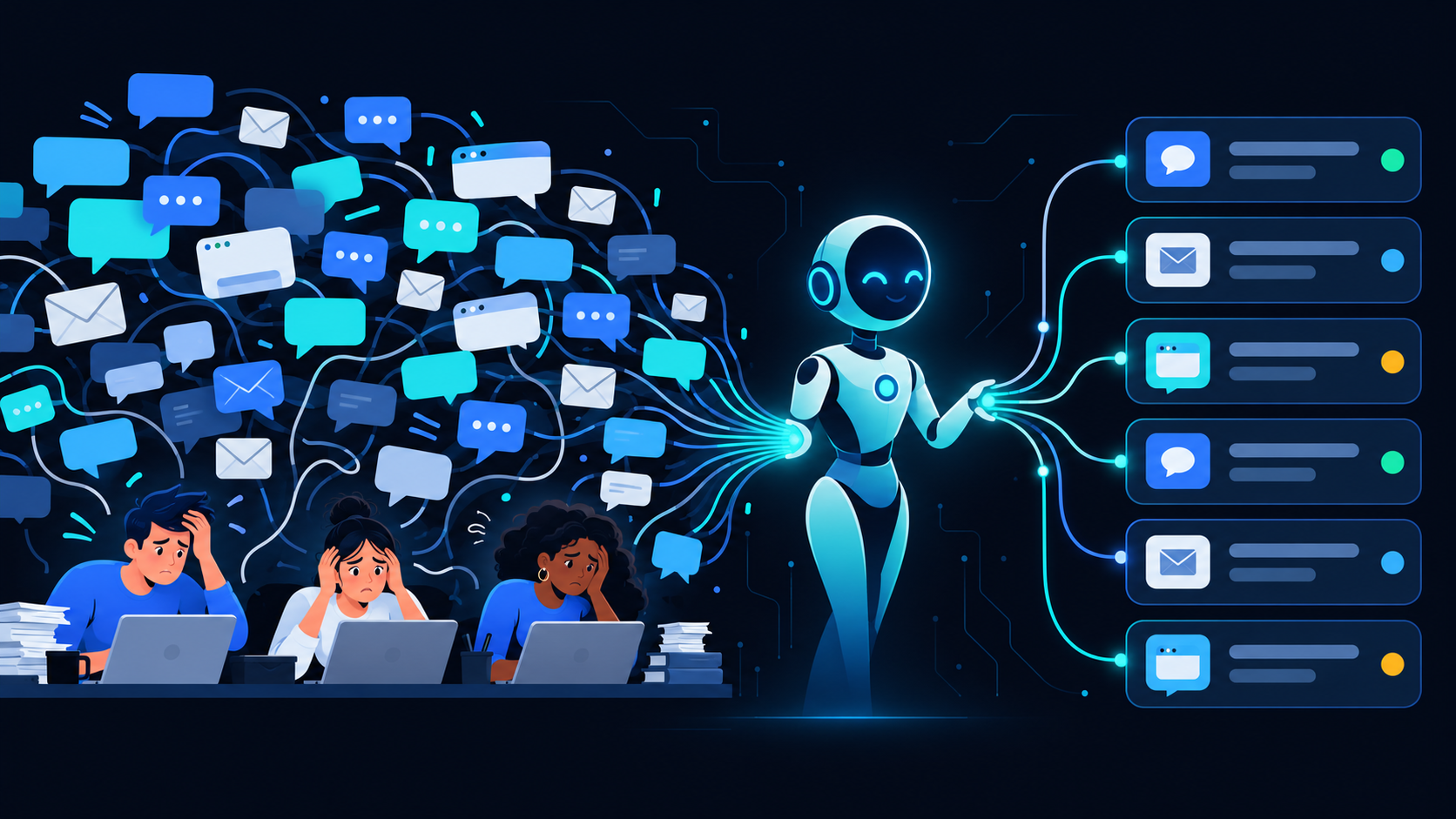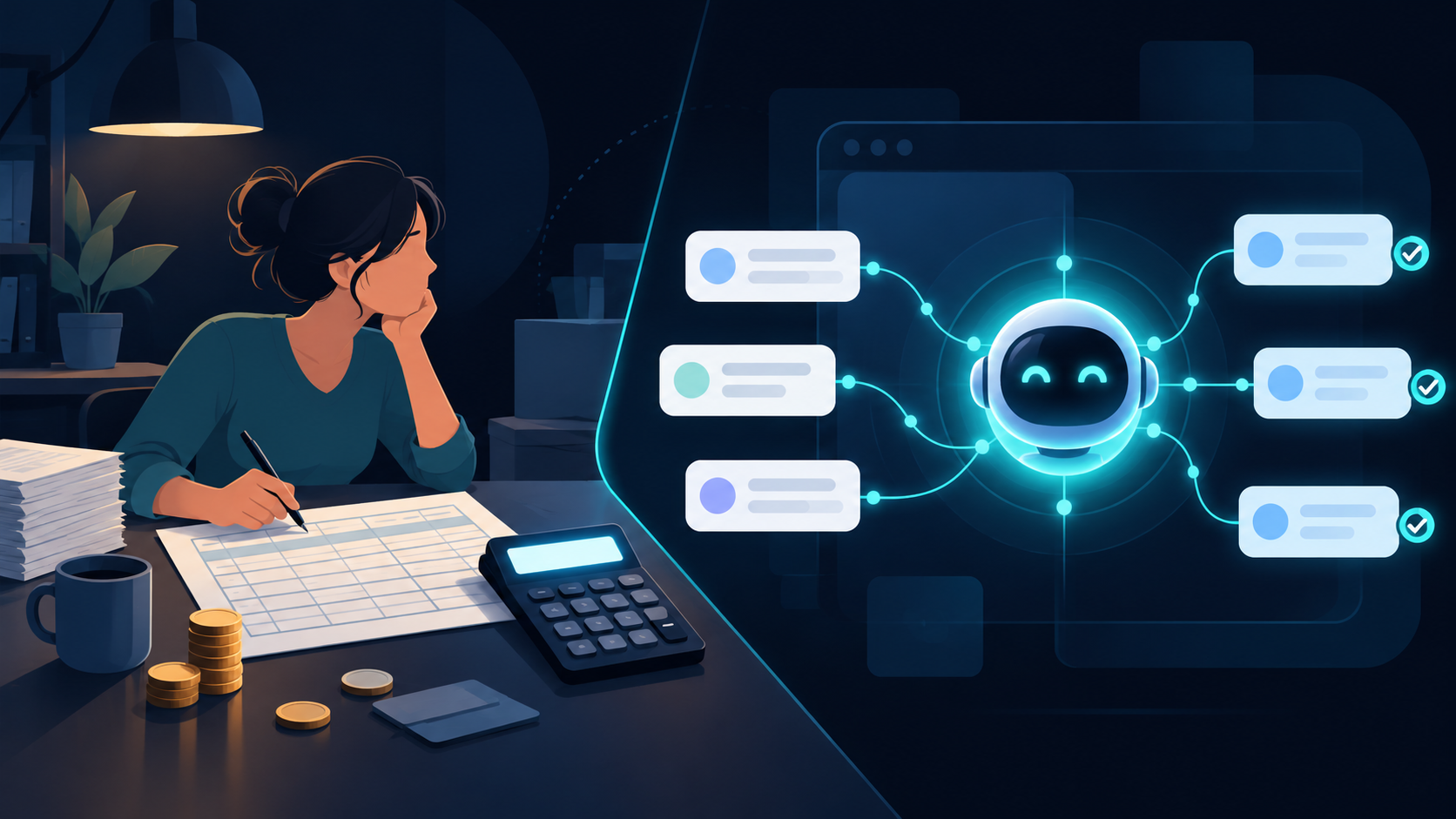
For SMB teams, customer support is rarely just a support function. It is sales, retention, and reputation all at once. That is why more founders are deploying WhatsApp AI agents as part of a broader digital employee platform. The promise is clear: faster response times, lower support cost, and 24/7 coverage without hiring a large team.
But after watching dozens of early implementations, one pattern keeps repeating: most failures are not caused by bad AI models. They are caused by bad operational assumptions. The same three mistakes appear again and again, and they quietly erase ROI before teams notice.
If you are building AI customer service for your SMB this quarter, use this guide as your pre-launch checklist.
Mistake #1: Assuming Credentials and Integrations Are Always Ready
Teams often wire up APIs once and move on. In week one, everything works. In week three, token rotation, environment drift, or permission changes break the flow. Suddenly, your AI agent is still replying, but backend actions fail: order lookup does not return, refund workflow does not trigger, and procurement status checks time out.
This is especially common when SMBs combine multiple systems: WhatsApp, CRM, ticketing, and procurement tools. A single missing secret can break the full chain.
What to do instead:
- Validate credentials before every run, not just at deployment time.
- Add fallback loading logic for secrets (primary env vars, then secure local/remote vault path).
- Implement health checks that test real API actions, not just “service online” pings.
- Alert on failed downstream actions immediately, with owner routing.
If your team is planning cross-system automation, map these dependencies first in your AI workflow solution architecture so ops and engineering share one source of truth.
Mistake #2: Treating Workflow Order as a Suggestion
Many SMB automations fail because steps run in the wrong sequence. A common example: the system publishes a response before generating the latest customer-specific context. The output looks valid, but it uses stale data from a previous interaction.
In AI customer service, sequencing is everything. If context retrieval, intent classification, action execution, and confirmation are not tightly ordered, your AI agent can respond confidently with outdated or incorrect information.
What to do instead:
- Define a hard pipeline with explicit stage gates: gather context → classify intent → execute action → draft response → QA checks → send.
- Block message delivery when required stages are incomplete.
- Use same-day artifacts only (no fallback to old snapshots unless clearly marked).
- Log every stage result so failures are debuggable within minutes, not days.
For teams scaling from one to many automation flows, this is where a digital employee platform becomes valuable. It gives you consistent orchestration instead of one-off scripts tied to individual people.
Mistake #3: Ignoring Session Reliability and Human Handoff
Another expensive mistake is assuming the communication session is always healthy. WhatsApp sessions can expire, browser/app auth can drift, and channels can become partially available. If your workflow does not verify session health before sending, the system may report success while customers never receive messages.
At the same time, many teams forget to design for escalation. AI should handle routine volume, but edge cases still need human takeover. Without clear handoff rules, conversations stall at the worst possible moment: payment problems, urgent complaints, or custom procurement requests.
What to do instead:
- Run pre-send checks for session status and delivery channel health.
- Auto-reconnect and recover auth state before execution, then retry safely.
- Define handoff triggers (sentiment drop, repeated intent failure, high-value account).
- Expose agent confidence score and conversation summary to human operators.
When combined with clear ownership and response SLAs, this approach turns AI from a chatbot experiment into an operational workforce layer.
A Practical Rollout Plan for SMB Leaders
If you are evaluating budget and timeline, keep the rollout simple:
- Week 1-2: Map top 20 inbound intents and required systems.
- Week 3-4: Launch one WhatsApp AI agent with strict stage gates.
- Week 5-6: Add procurement and order workflows with audit logs.
- Week 7+: Expand to multi-agent coverage and performance optimization.
You can then compare cost per resolved conversation, first-response time, and conversion lift against your baseline support model. Most SMB teams see strong gains once reliability and process discipline are in place.
If you want a fast estimate of effort, integrations, and expected ROI, review our pricing options and implementation scope.
Ready to deploy AI customer service that actually works in production?
Book a Demo and we will help you design a reliable AI workforce roadmap for your business.
Ready to take action?
Deploy a Digital Employee in 7 Days
See how EchoAI automates customer service and sales workflows — live demo, zero commitment.
Book a Free Demo →