Skip to content

One Person Company: How AI Employees Let You Scale Without Hiring

  • by

Can One Person Really Run a Business?

Five years ago, the answer was no. If you wanted to grow, you needed help—HR to handle onboarding, finance to manage invoices, customer service to answer questions. You either hired a team or stayed small.

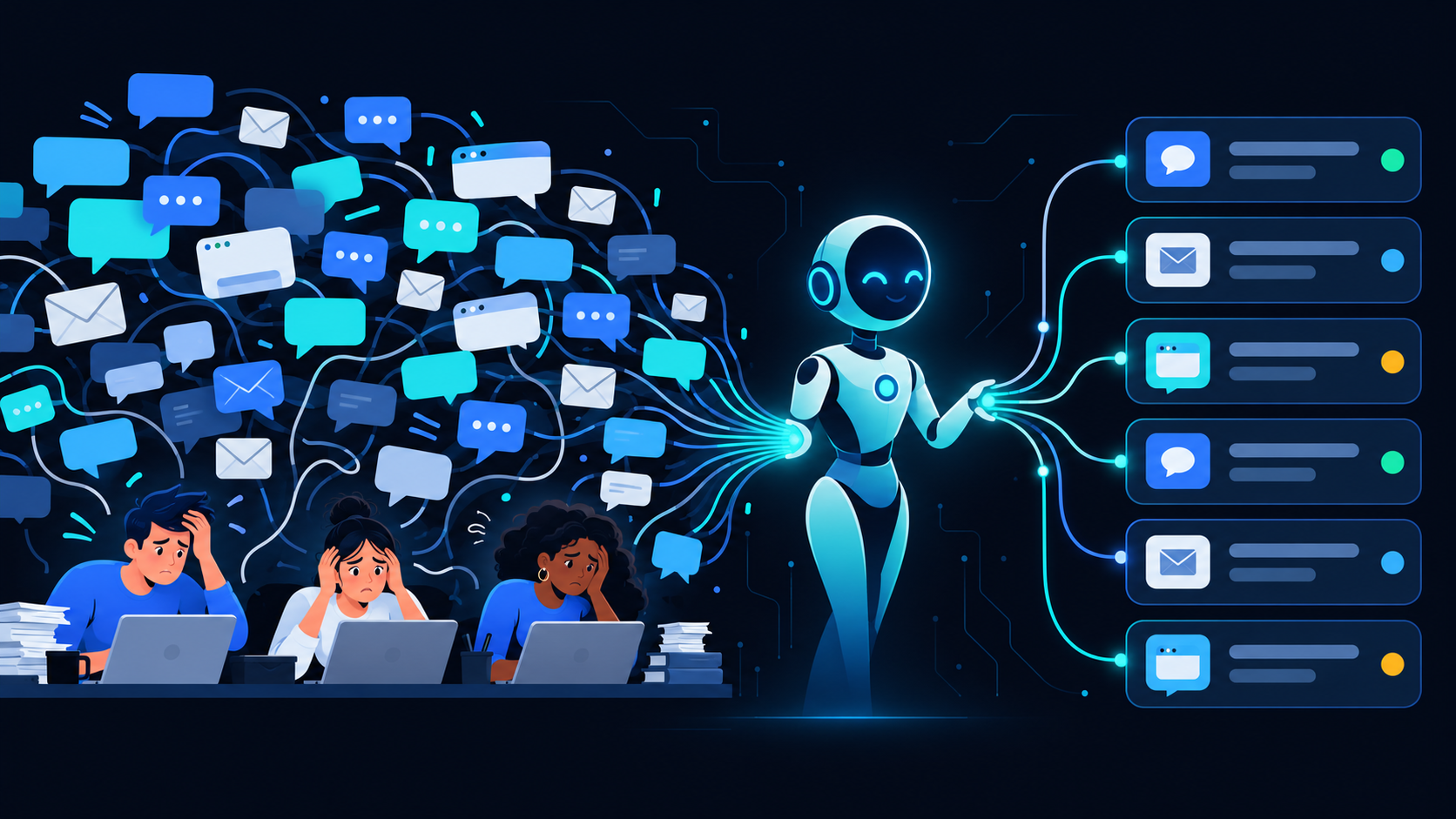
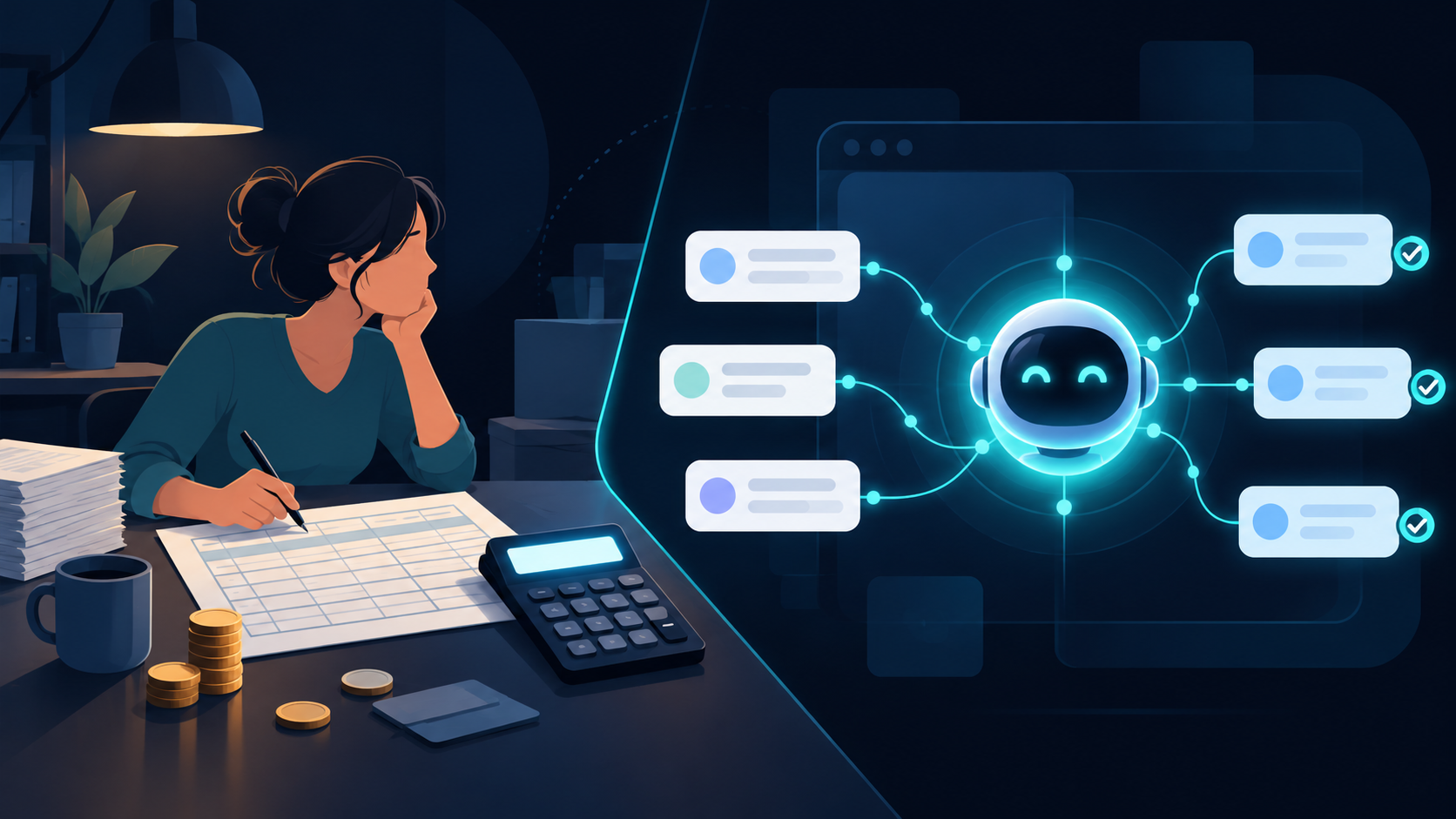
Today, AI has changed the equation. A One Person Company (OPC) isn’t just possible—it’s practical. With AI employees handling HR, finance, and customer service, you can operate like a startup with 10 employees while staying a team of one.

What Is a One Person Company (OPC)?

A One Person Company is exactly what it sounds like: a business where one person owns, operates, and scales the entire operation.

Traditionally, OPCs faced a hard ceiling. You could only do so much yourself. If you spent your day answering customer emails, you couldn’t focus on sales. If you focused on sales, customer questions piled up.

AI employees break that ceiling.

The Team You Can Build as a Solopreneur

Here’s what a typical small business needs:

Function | Traditional Approach | AI Employee Approach
HR | Hire an HR manager (0K-0K/year) | AI HR assistant (K-K/year)
Finance | Hire a bookkeeper (0K-0K/year) | AI bookkeeping agent (K-K/year)
Customer Service | Hire a support rep (0K-0K/year) | AI customer service agent (K-K/year)

With AI employees, you can have all three for K-8K/year total—less than the cost of one full-time hire.

More importantly, you don’t manage them. You configure them once, and they run 24/7.

How AI Employees Work in a One Person Company

1. AI HR Assistant

What it does:

Answers employee questions about policies, benefits, and payroll
Handles onboarding document collection
Manages time-off requests
Sends reminders for training, certifications, and compliance

How this helps an OPC:

If you have contractors or part-time help, you don’t waste your day answering “How do I submit an invoice?” or “When is payday?” The AI handles it.

2. AI Bookkeeping & Finance Agent

What it does:

Categorizes expenses and revenue automatically
Sends invoice reminders
Reconciles bank transactions
Generates weekly/monthly financial reports

How this helps an OPC:

You stop chasing invoices. You stop wondering “Did that payment come through?” You get a clean P&L without hiring a bookkeeper.

3. AI Customer Service Agent

What it does:

Answers common customer questions 24/7
Handles order status, return requests, and FAQs
Escalates complex issues to you
Logs all interactions for future reference

How this helps an OPC:

You don’t wake up to a flooded inbox. Customers get instant answers. You only step in when your expertise is actually needed.

The Economics: OPC with AI vs. Traditional Small Team

Let’s compare two paths to reaching 00K annual revenue:

Path A: Traditional Small Team (3 employees)

Founder: bash (equity)
HR/Admin: 5K/year
Bookkeeper: 5K/year
Customer Service: 2K/year
Total labor cost: 42K/year

Path B: One Person Company + AI Employees

Founder: bash (equity)
AI HR Assistant: K/year
AI Bookkeeping Agent: K/year
AI Customer Service Agent: K/year
Total cost: 2K/year

Difference: 30K/year stays in your pocket—or gets reinvested into growth.

Realistic Expectations: What AI Can and Can’t Do

AI employees are powerful, but they’re not magic.

AI Handles Well:

Repetitive, rule-based questions
Document collection and verification
Scheduled reminders and follow-ups
Data categorization and reporting
Standard customer service scenarios

AI Doesn’t Replace:

Strategic decision-making
Complex negotiations
High-touch client relationships
Creative direction
Crisis management

The goal isn’t to replace yourself. It’s to automate the work that doesn’t need you—so you can focus on the work that does.

How to Start: A 30-Day OPC AI Team Setup

Week 1: Identify your biggest time drain

Track where your time goes for 3 days
Note recurring tasks that don’t require your expertise
Pick the top 1-2 pain points (usually customer questions or invoice chasing)

Week 2: Choose your first AI employee

If emails overwhelm you → AI Customer Service Agent
If finances are messy → AI Bookkeeping Agent
If contractor management is painful → AI HR Assistant

Week 3: Configure and test

Set up your AI employee with your business rules
Run test scenarios
Refine based on real interactions

Week 4: Go live and monitor

Activate your AI employee
Check daily for the first week
Adjust as needed

By day 30, you should have at least one function running without you.

Common Questions About OPC AI Teams

Do I need technical skills to set up AI employees?

No. Modern AI employee platforms are designed for non-technical users. You configure through natural language and simple forms—not code.

What if the AI makes a mistake?

You set escalation rules. If an AI encounters something it can’t handle, it flags you. You never lose visibility.

Is this actually being done successfully?

Yes. Solopreneurs in consulting, e-commerce, SaaS, and agency models are already using AI employees to scale. The number of one-person businesses reaching M+ revenue is growing—and AI is a big reason why.

The Bottom Line

A One Person Company used to mean choosing between growth and sanity. AI employees let you have both.

For K-8K/year, you get HR, finance, and customer service capabilities that would cost 30K+ in human salaries. You stay lean. You stay profitable. You scale on your terms.

If you’re running a business alone—or thinking about it—AI employees aren’t a nice-to-have. They’re the infrastructure that makes the OPC model viable.

Next Steps

Ready to build your AI team?

Book a demo: echo365.ai/book-a-demo
Learn more about AI employees: echo365.ai/ai-employee-platform

Ready to take action?

Deploy a Digital Employee in 7 Days

See how EchoAI automates customer service and sales workflows — live demo, zero commitment.

Book a Free Demo →